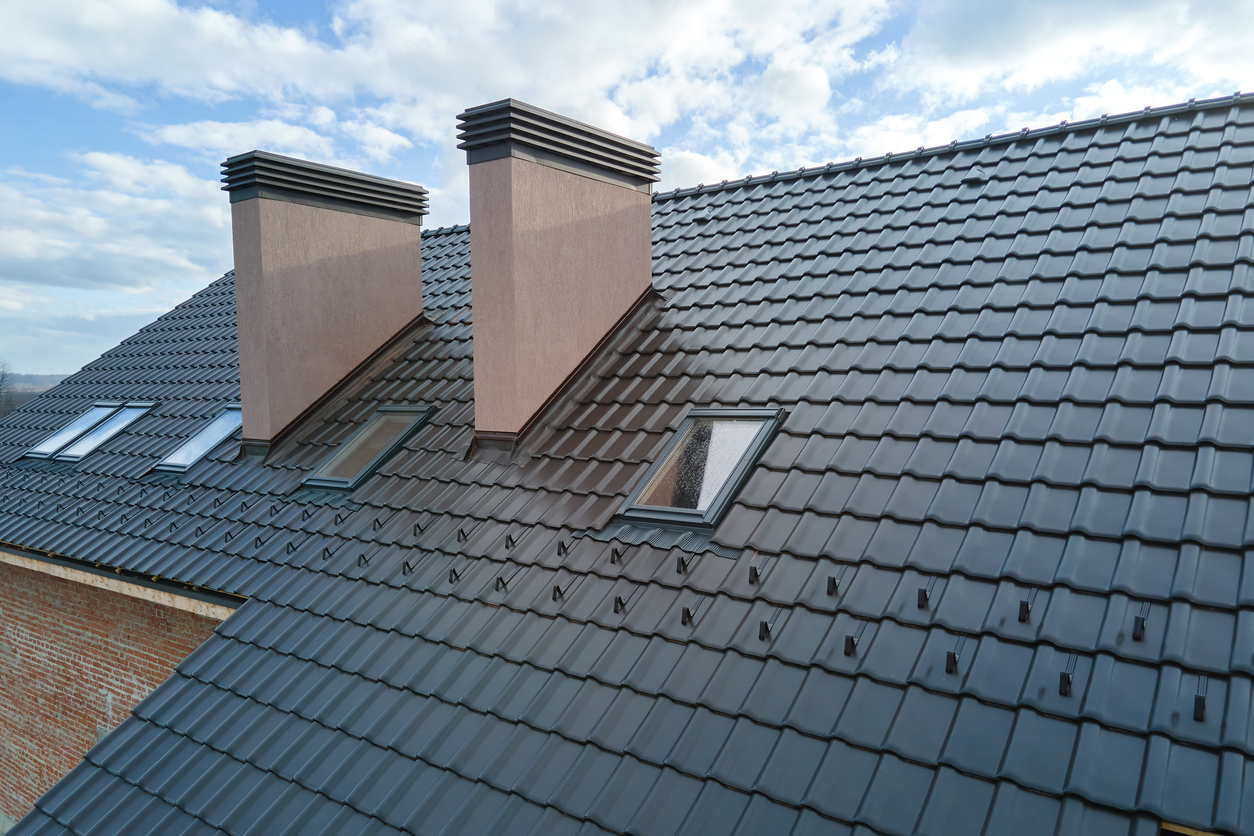
Solar Roofs for Commercial Buildings
Building systems that generate their own electricity appeared unimaginable during the year 2000. Commercial solar roofs now convert unproductive business rooftop areas into energy-generating assets throughout UK business locations.
Business owners facing escalating energy expenses now have solar technology as a way to achieve energy self-reliance. Commercial buildings consume most of their electricity during daylight hours which matches perfectly with solar panel peak production.
Companies have various reasons to transition to solar power
Company directors often resist paying installation expenses as their first reaction. This investment requires significant financial commitment without any doubt. Spreadsheets provide accurate data showing that extended financial gains surpass initial costs in unexpected amounts.
A Birmingham-based office property with medium size installed a 50kW solar energy system. The business reduced its energy costs by 40% during their initial year of operation. The investment will result in a full return of money within seven years and then generate substantial cost savings across multiple decades.
Savings extend beyond financial benefits. Holding high sustainability ratings enables commercial properties to achieve increased market value. The inclusion of solar installations by estate agents becomes a major selling feature leading to higher building sale prices that reach up to 17% in select UK markets.
Technical considerations for commercial buildings
The majority of commercial buildings feature flat roof structures. Solar installation faces both installation difficulties and new business prospects because of flat roof structures. The mounting systems for commercial flat roofs require specific design elements to achieve proper sunlight capture angles which residential pitched roofs do not need.
Ballasted mounting systems secure panels through the use of weights instead of making holes in the roof. The system protects roof structure while making the installation process simpler. The east-west orientation of solar systems enables maximum space utilisation through careful panel row placement.
Weight limits need careful assessment. Building structures which are older need to undergo structural strengthening as a prerequisite to installing solar panels. Modern facilities include extra load capacity in their design requirements for the roof.
Beyond panels—the supporting equipment
Solar panels tend to be the main attraction while other supporting equipment requires equal attention.
The direct current output from solar panels converts into usable alternating current through inverter technology. Commercial facilities deploy multiple string inverters and power optimisers as a performance reliability strategy when array shading occurs.
Businesses across the world are installing battery storage systems as part of their operations. These systems collect excess daytime electricity production which businesses can use during periods of cloud cover or during night operations. Commercial battery prices have experienced a major decrease that has made storage solutions more accessible for businesses.
Real-time data about performance becomes available through monitoring systems. The systems provide precise information about system performance to both maintenance staff and financial forecasting teams.
Planning permission and regulations
The United Kingdom has simplified its regulatory framework for commercial solar installations since the previous years. Most rooftop systems obtain permitted development rights which enables them to skip standard planning procedures.
The planning process for listed buildings and properties located within conservation areas requires additional strict requirements. Getting planning authority input at the beginning prevents unnecessary complications in the future.
Fire safety regulations need thorough examination by everyone. System design needs to provide suitable firefighter access pathways and isolation switches that satisfy present standards.
Financial incentives
The Smart Export Guarantee took over as the replacement for feed-in tariffs during 2020. The Smart Export Guarantee system makes energy suppliers compensate businesses when they export electricity to the grid.
Businesses should evaluate different suppliers because their payment rates differ from one another. Certain businesses establish individual agreements with neighbouring properties for selling excess power.
Companies can benefit from Enhanced Capital Allowances because they can deduct their solar installation costs entirely from their first-year taxable profits. The substantial tax break creates better cash flow and reduces the time needed to break even.
Real-world success stories
A Glasgow distribution centre placed a 200kW power system across its extensive rooftop area. The installation allows them to generate extra summer electricity which they sell to recover winter power usage.
The retail park located in Bristol implemented an alternative solar installation strategy. The installation of solar canopies across their car park areas allowed them to produce electricity while simultaneously creating shaded parking spaces for their customers. The dual-function facility gained favour both from shoppers who visited the premises and from tenants who occupied space there.
The manufacturing plant located in Leeds combined solar power generation with heat recovery equipment. The integrated system lowered electricity usage and gas usage simultaneously which resulted in a 60% decrease of carbon emissions.
Does your building require this installation?
The application of solar installations works well for various commercial buildings even though not every commercial building will benefit from them. Roof spaces oriented toward the south with no shading obstacles provide optimal financial returns. Buildings that consume significant energy during daytime operate optimally with solar energy production systems.
Companies staying in their premises for five to seven years will receive the most financial benefits from solar investments. The financial benefits from solar investments become maximised through longer property occupancy but buildings still gain value from reduced lease durations.
Companies that instal solar roofs achieve quantifiable environmental advantages which serve their corporate sustainability commitments and align with their clients’ growing environmental concerns.